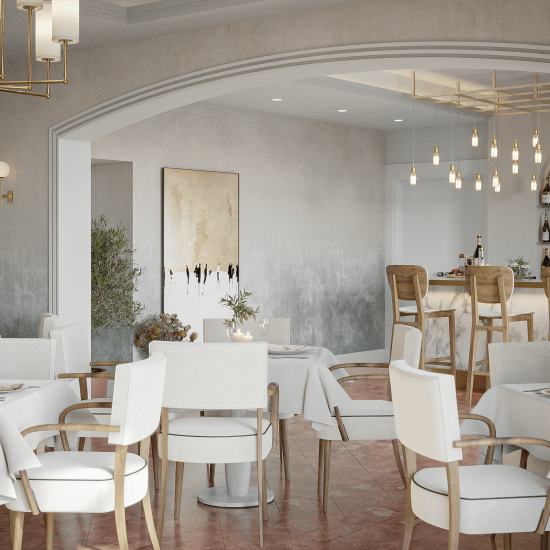
This is Aalto. A Professional theme for
architects, construction and interior designers
Call us on +651 464 033 04
531 West Avenue, NY
Mon - Sat 8 AM - 8 PM





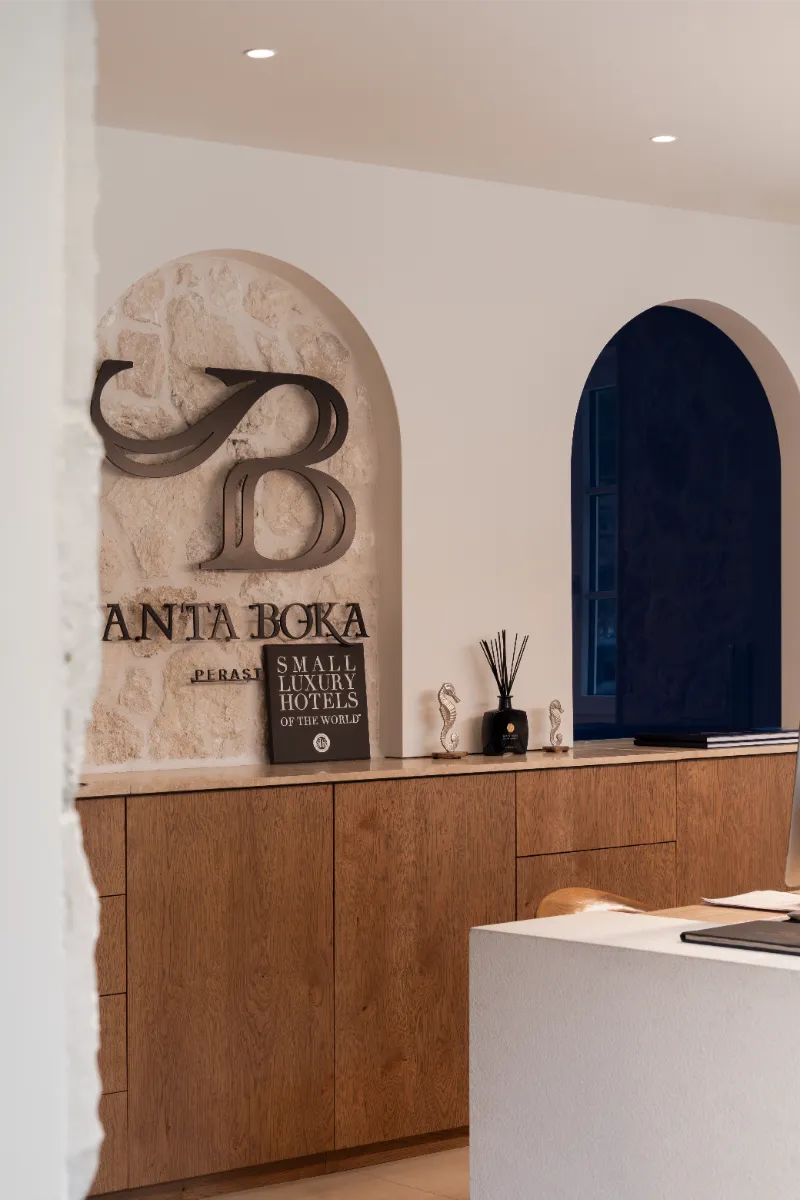
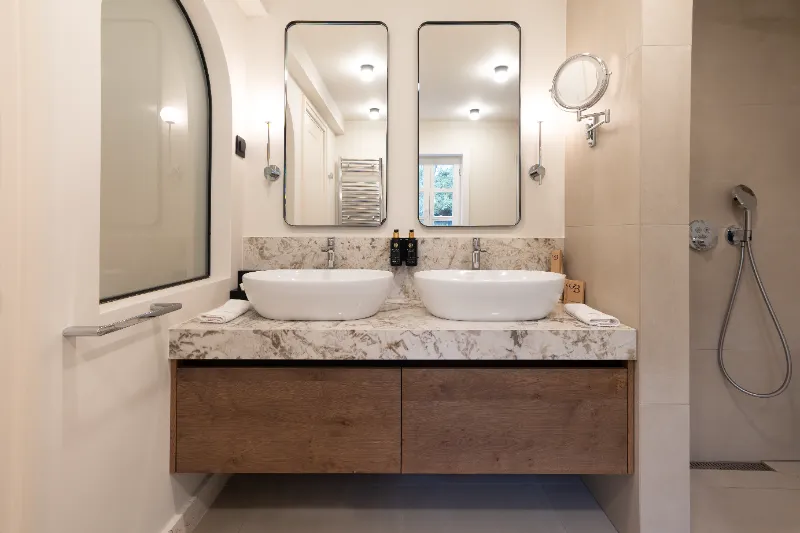
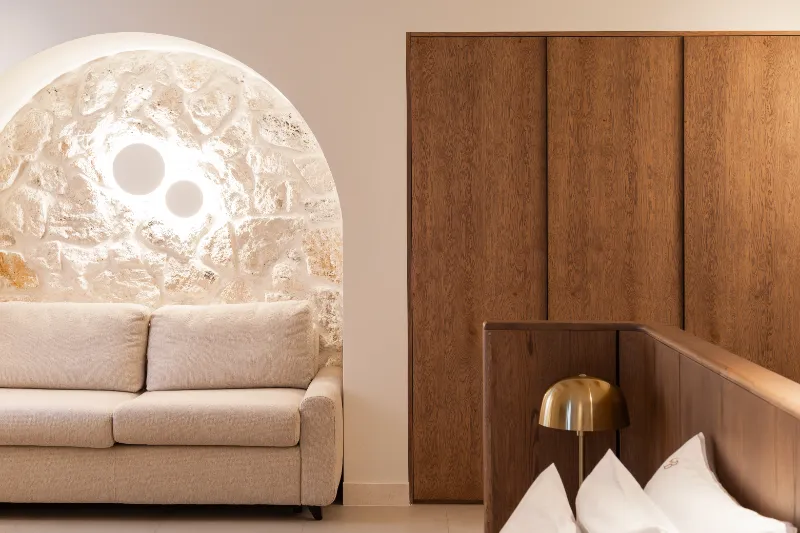
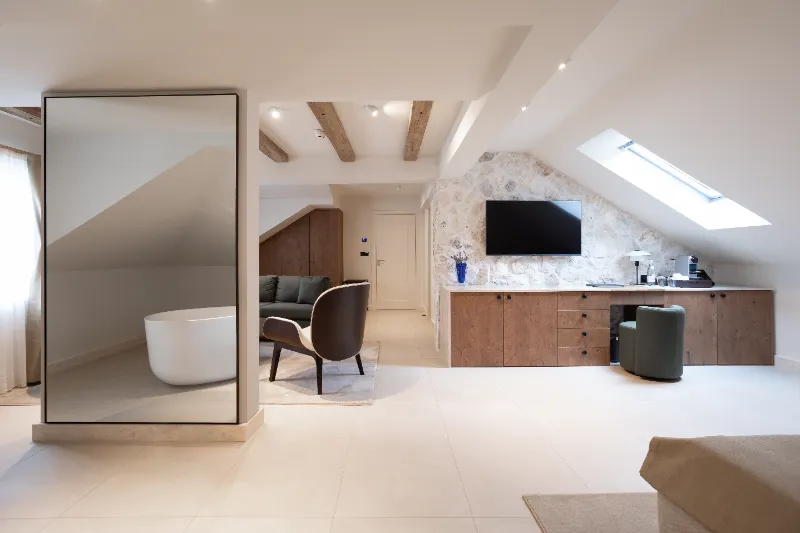
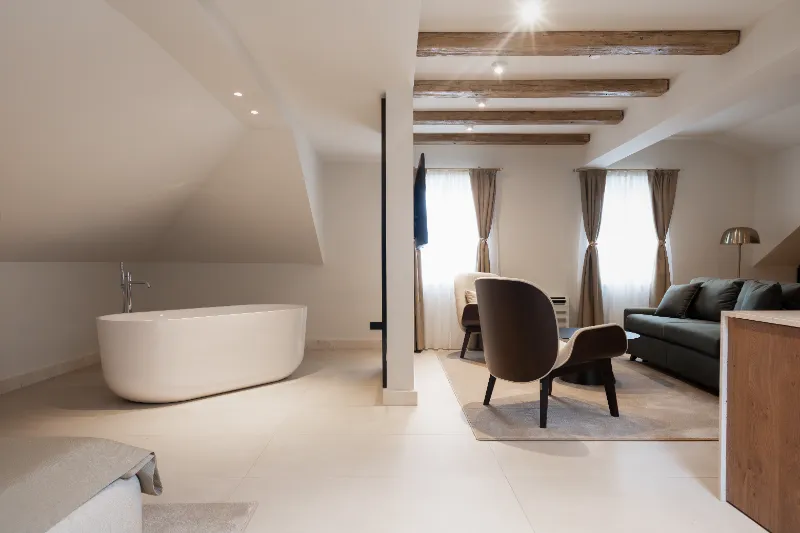
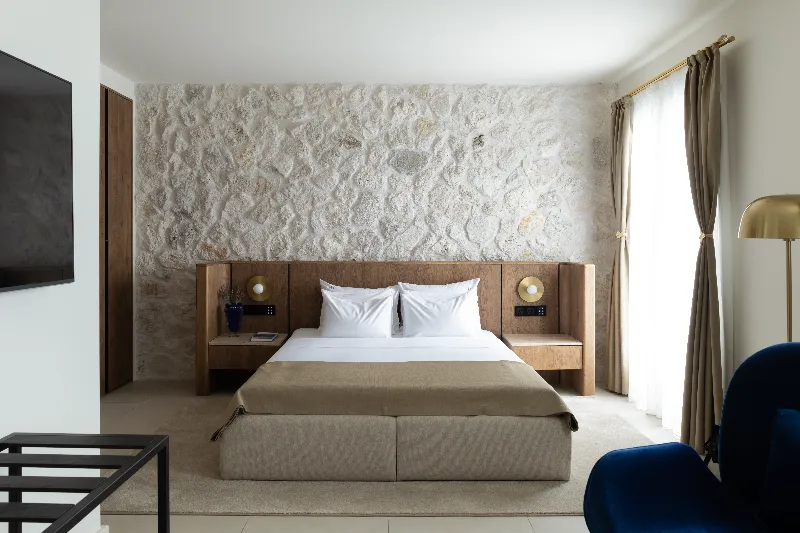
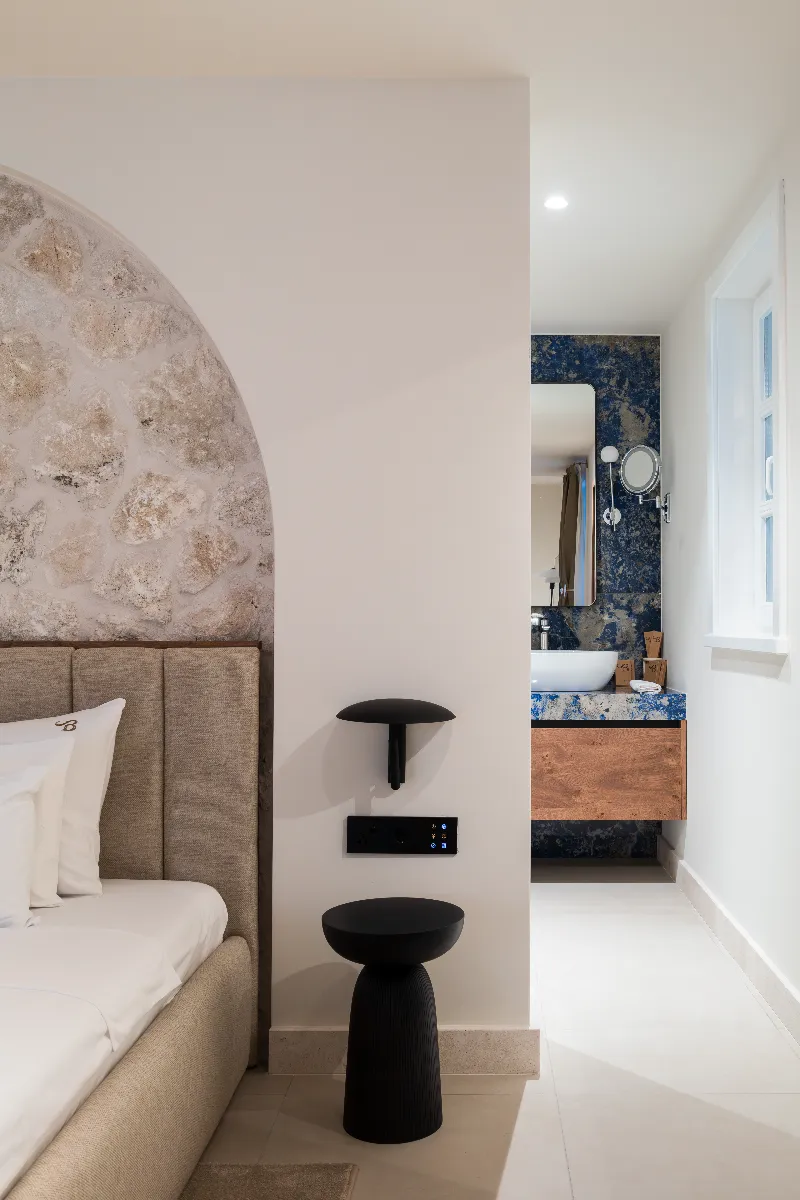
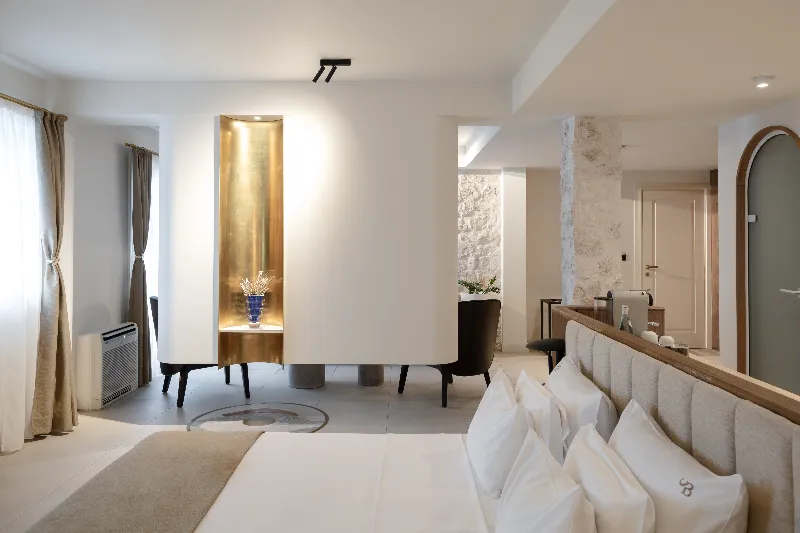
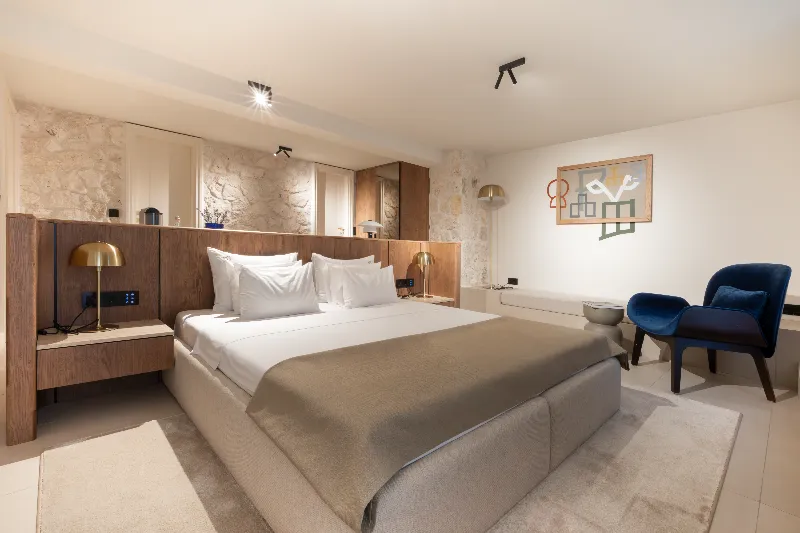
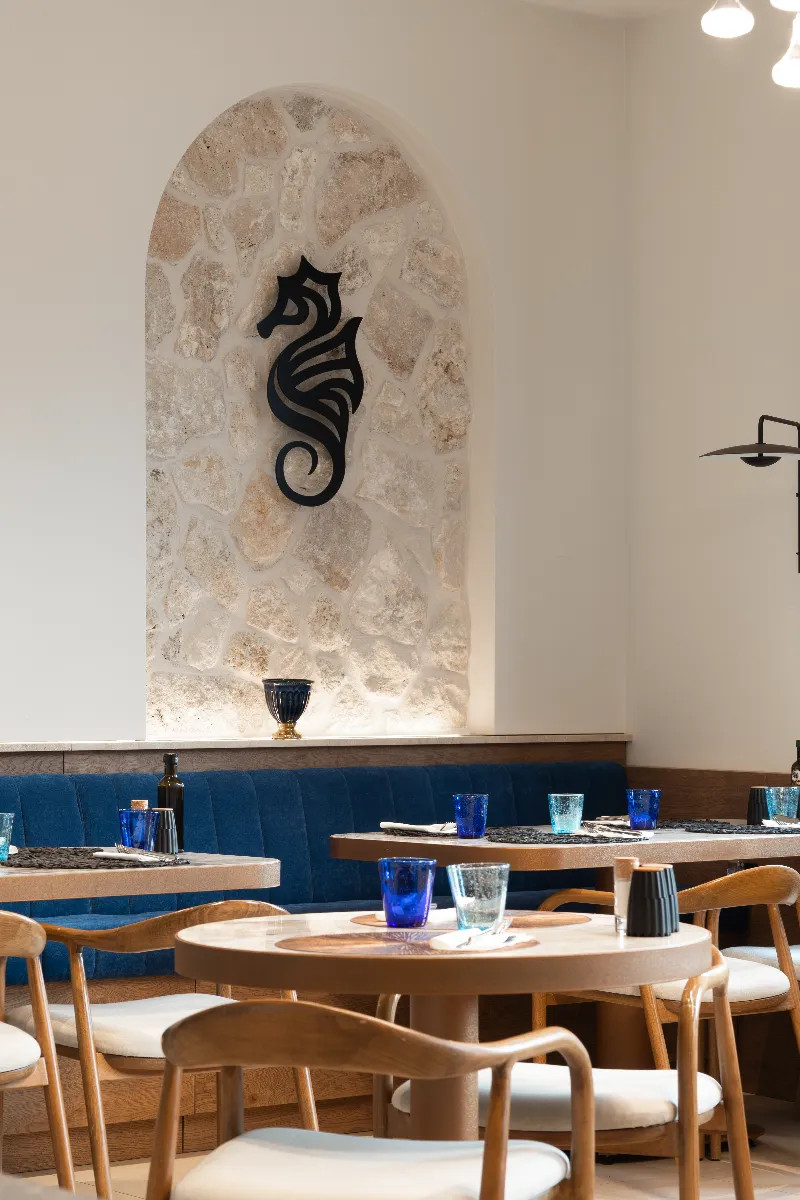
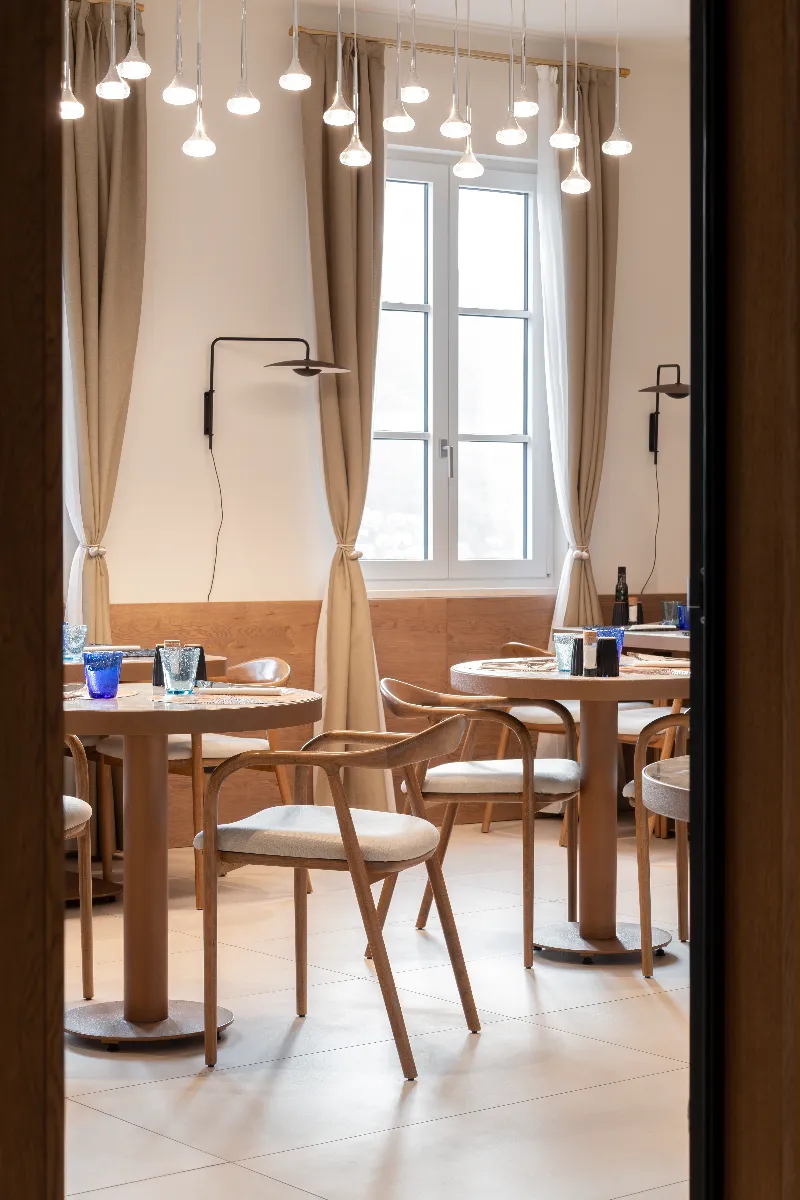
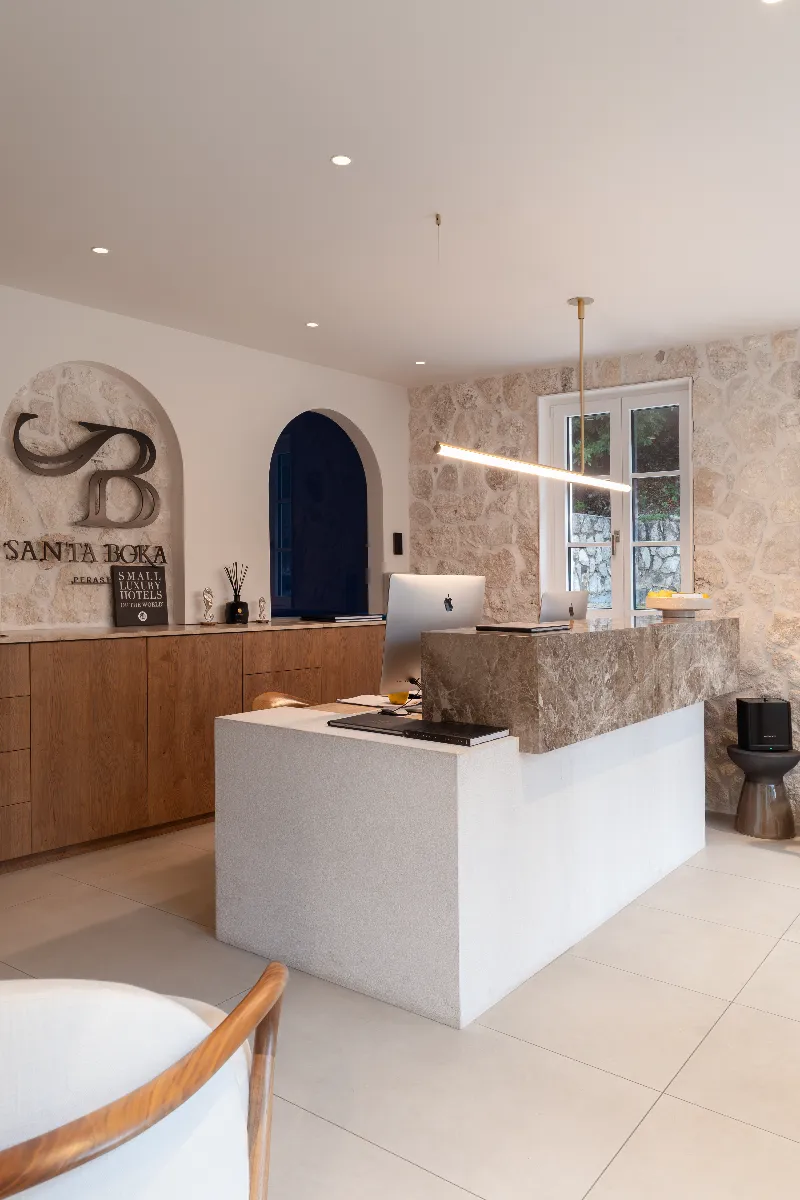
Within the historic fabric of Perast, woven from stone, light, and the quiet rhythm of Mediterranean life, Santa Boka emerges as an architecture of careful transformation. Its design was shaped by the desire to preserve the magic of the setting and carry it into a contemporary place of stay, filled with calm, measure, and discreet elegance.
Here, Perast was more than a context — it was the beginning, the measure, and the principal interlocutor of the architecture. In its stone structure, in the relationship between sea and land, shadow and reflection, a duality was recognized that became the essence of the spatial concept.
The existing complex, composed of several smaller volumes formed over time, carried within it both richness and fragmentation. The task of the architecture was to bring these parts into a harmonious whole, without losing their quiet memory. Through technical reorganization, the redefinition of circulation, and the careful establishment of a new spatial order, the hotel gained new clarity, coherence, and calm.
The transformation from a four-star hotel into a five-star one was guided by the idea of elevating the essence of the stay, rather than merely its outward expression. The quality of the space was built through the ease of movement, the clarity of relationships, the serenity of atmosphere, and that kind of precision which does not draw attention to itself, yet gives the space fullness and depth.
All fourteen apartments were conceived as a sequence of micro-worlds, connected through a shared language of materials, light, and proportion. Local stone, wood, and carefully directed lighting shape an interior that feels calm, tactile, and intimate. In the larger apartments, ceramic and brass mosaics introduce a quiet narrative layer, like traces suspended between memory and contemporaneity. Inspired by the sea, stone, and local stories, they are not decoration, but a subtle inner map of the space.
At Santa Boka, light was shaped as a quiet medium of architecture, as that through which the space reveals its character. It does not impose atmosphere, but gradually builds it — through the texture of materials, through the relationship of fullness and emptiness, through subtle changes that make the space feel alive and present. Through light, the interior establishes a connection with its context, with the Mediterranean day, with the reflections of stone and sea. Light here is therefore not merely a visual phenomenon, but a carrier of the very feeling of space.
Everything in Santa Boka is directed toward creating a sense of slowness, silence, and full presence. It is a place where Perast does not remain only outside the window, but continues to live in every detail, every reflection, and every quiet moment of stay. In that sense, the project does not speak of a contrast between old and new, but of their quiet, harmonious dialogue.
Dijana Zorić, Milena Raspopović, Ljiljana Radonjić, Teodora Jašović, Belma Adrović, Ivana Radulović, Matija Djukanović, Aleksandra Živković, Vuk Zečević
Perast